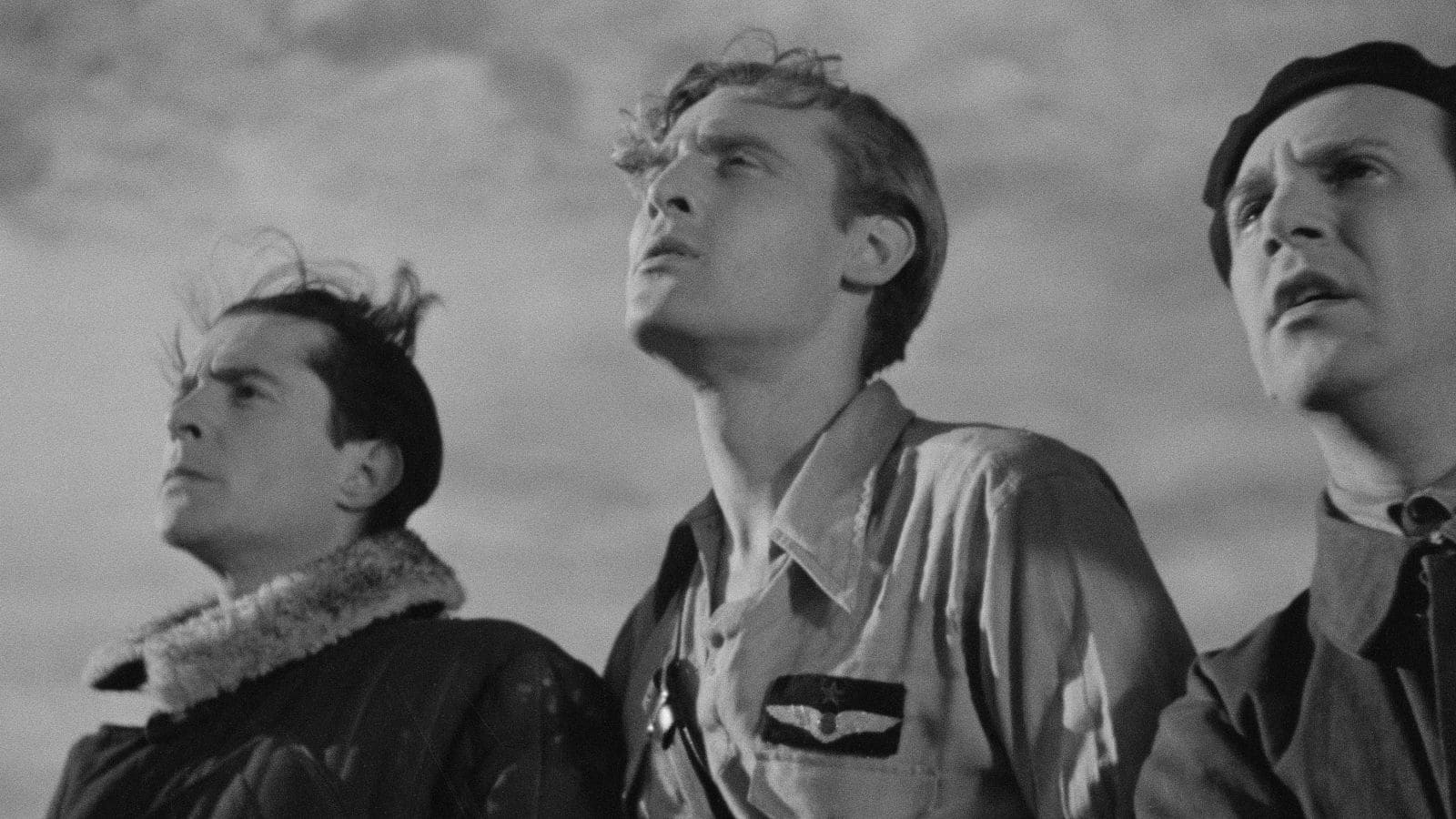
André Malraux, novelist, intellectual and future French Minister of Culture, was a key figure of the 20th century who became deeply involved in the Spanish Civil War, as a fighter and experienced pilot defending the Republic. Aware of the conflict’s importance, he set out to adapt his novel “L’Espoir” (1937), working with collaborators such as the great Max Aub and renowned Spanish actors. Filmed in the actual locations of the war, the film portrays the determination of a vastly outnumbered Republican army attempting to stand against a new world order.
Released in a France that was still free, the film was banned, its copies destroyed by the Nazis, and remained prohibited in Spain until 1977. A major reference point for the French Resistance, its copies were thought to be lost until one was discovered at the Library of Congress in the United States. A restoration has recovered the original cut, presented at Cannes 2026, correcting a historical anomaly: “L’Espoir” was due to premiere at the festival’s inaugural edition in 1939, which was cancelled following the outbreak of the Second World War.
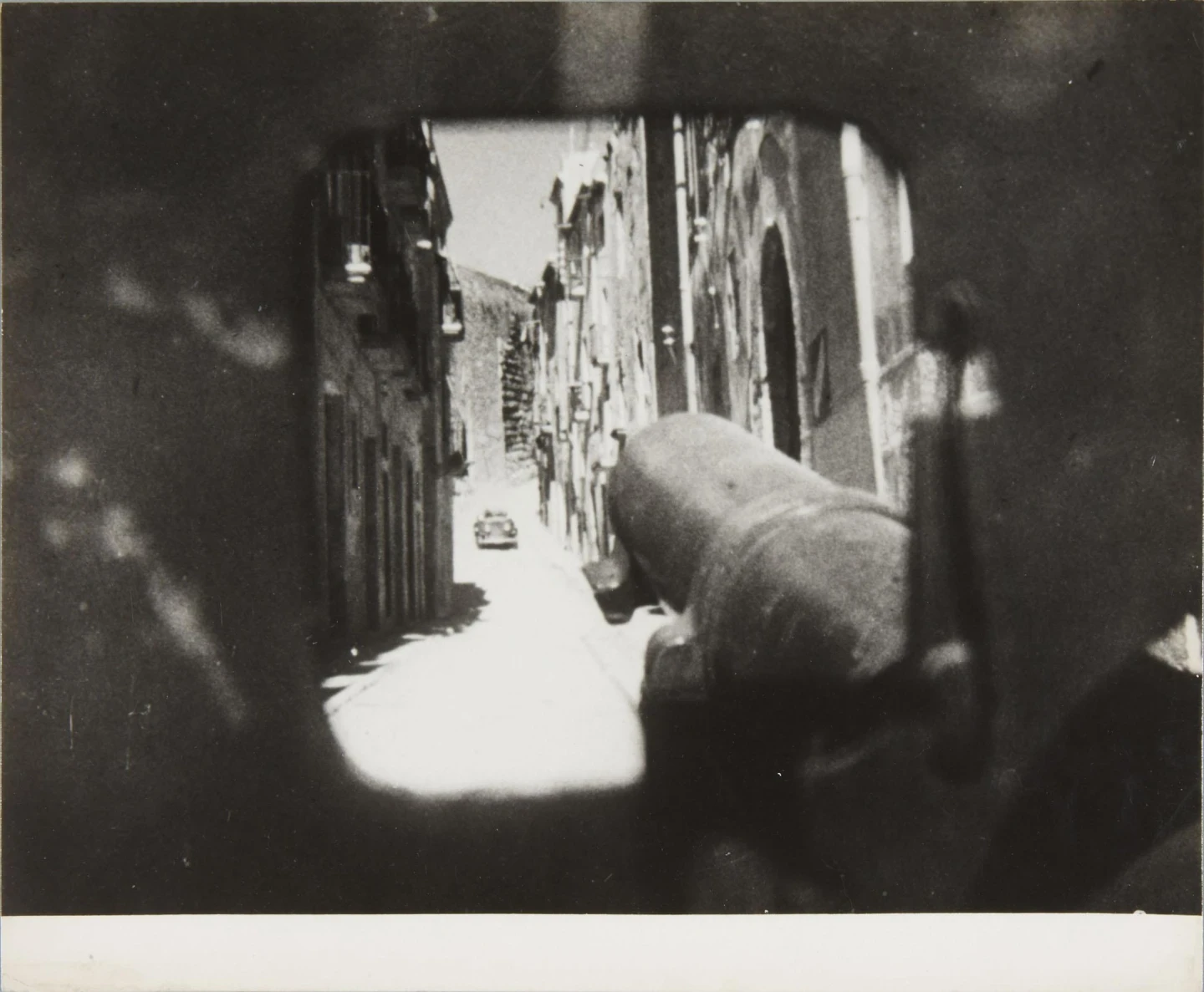
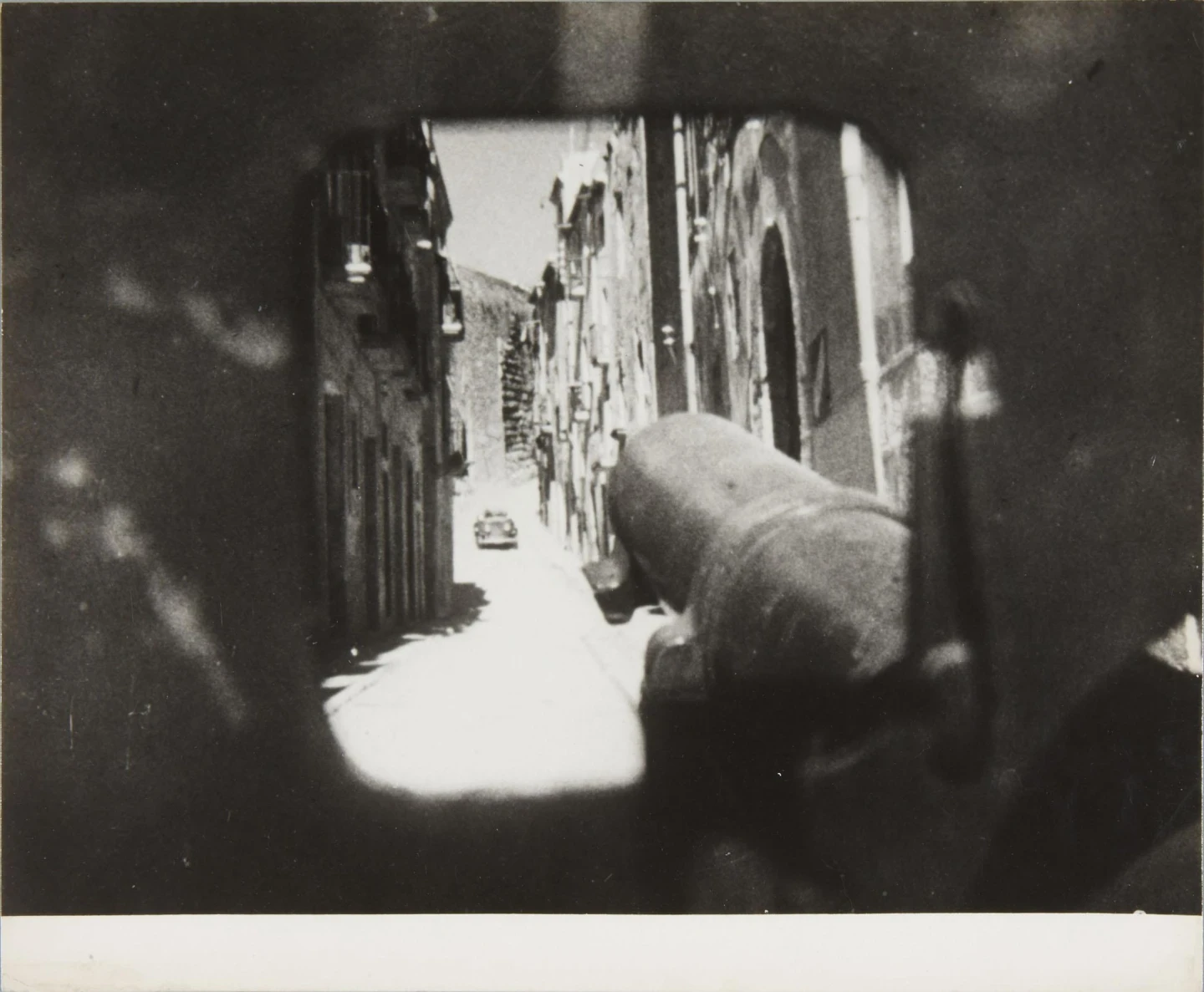
But beyond the film’s enduring relevance and its extraordinary story of survival, audiences in Tarragona will find an added attraction: recognising familiar locations around the city, such as the Portal del Roser or Carrer Major… Can you spot any other corners of the city in the film?
Presented by Joaquim Nolla, archivist and historian at Tarragona City Council.